
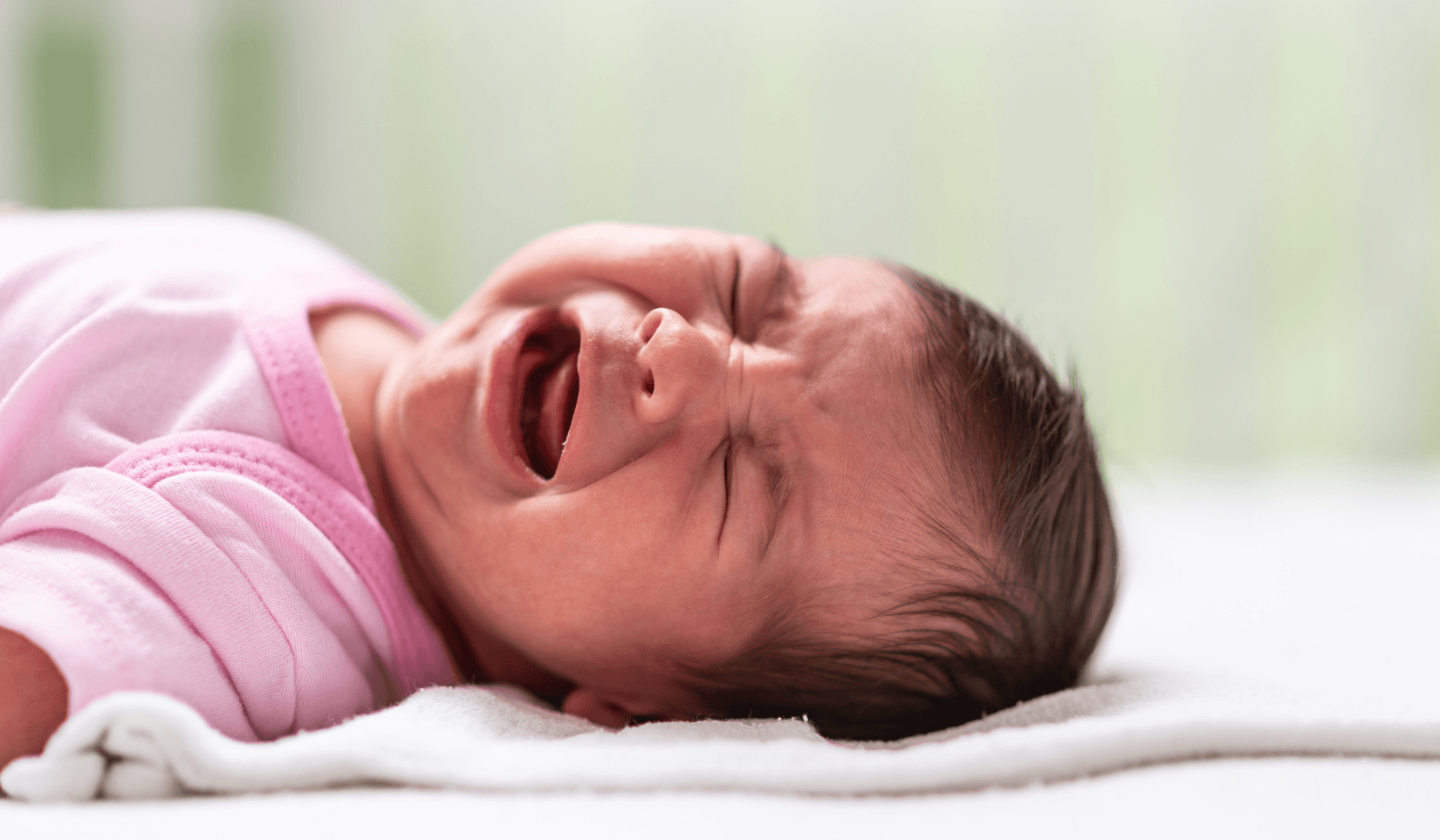
Is “Cry It Out” Really Proven Safe?
💤 Let’s Look Closer at That New 2025 Sleep Training Paper
If you’ve seen posts recently claiming “Sleep training is scientifically proven safe and effective!” — you’re not alone. A new paper published in Sleep Health: Journal of the National Sleep Foundation (2025) has been circulating in the baby sleep world. Many sleep trainers are quoting it to say that “controlled crying” and other extinction-style methods are safe after 30 years of research.
They also reference cortisol (the stress hormone) and say things like:
- “Cortisol naturally rises and falls throughout the day.”
- “Temporary increases are normal and even helpful.”
- “Only long-term stress is harmful.”
- “Broken sleep actually causes more cortisol.”
It sounds neat and reassuring — but when you actually read the paper properly, the story is far less certain. And as per usual, people who don’t know how to accurately read studies are cherry picking information to prove their point without realising the nuance behind it.
🧠 What the paper claims
The authors argue that after decades of research, extinction-based sleep methods (like controlled crying or graduated extinction) are safe and effective for older infants when used appropriately. They also suggest that concerns about stress and cortisol are exaggerated or based on weak studies.
In short: the paper paints extinction-based methods as scientifically proven, harmless, and even beneficial for baby sleep. A very huge blanket statement which is problematic for so many reasons.
🕰️ But here’s the thing — none of this evidence is actually new…
Even though this paper was published in 2025, it doesn’t include a single new study or new data. It’s what’s called a narrative review, meaning the authors have summarised and interpreted existing research. Most of the studies they reference were done years (or even decades) ago, and vary massively in quality, age range, and methods.
So, despite being a shiny “new” publication, it’s essentially a repackage of older research with the same gaps and limitations that have existed for years. And the reason why this is problematic is because these studies have been hand picked to back up the authors hypothesis. And while some of the authors are respected clinicians or researchers, not all specialise in infant cortisol, stress, or attachment. Several have professional links to behavioural sleep medicine or sleep-training programmes — which naturally shapes the lens they write from. That context matters when interpreting their conclusions.That doesn’t make them “wrong,” but it does mean bias is possible.
Bias in research doesn’t always mean dishonesty, it can come from what questions you ask, which studies you include or exclude, how you interpret ambiguous data, and how strongly you phrase your conclusions. When authors already work in the area they’re defending, there’s always a risk of unintentional bias or “cherry-picking” to support familiar viewpoints. This review had a goal, and the studies and data was hand selected to support that goal, with major opposing research studies deliberately left out and not considered.
⚠️ The research they are citing is deeply flawed…
“30 years of research” doesn’t mean consistent evidence
The authors lump together very different studies — some on very young babies and others on toddlers; some using “cry it out,” others gentler methods; some relying on parent reports, others using sleep monitors or cortisol samples. Huge drop out rates, lack of long term following and unreliable reporting makes these studies individually questionable and then when the data is that mixed, it’s impossible to draw an “overwhelming” conclusion about safety or effectiveness, there are just too many variables.
And as briefly mentioned above: Studies that did find stress responses were dismissed. One key example is Middlemiss et al. (2012), which found that even when babies stopped crying during extinction, their cortisol levels stayed high — meaning their bodies were still stressed even though they looked calm. Instead of treating this as a signal for more research, the new paper writes it off as flawed. That’s not balanced science, that’s selective interpretation.
The cortisol argument oversimplifies complex biology. Yes, cortisol naturally fluctuates, and yes, temporary spikes are normal. But what this review fails to mention is that this is drawing on normal cortisol research in ADULTS. Not developing babies with immature nervous systems. Babies aren’t little adults, their stress systems are still developing. We still don’t fully understand how repeated or prolonged stress affects them long term. Most of the studies the authors rely on only measured cortisol once or twice, and often at random times of day. That means they don’t actually show how long cortisol stays high, how quickly babies recover, or whether repeated nights of crying cause cumulative stress.
Cortisol peaks roughly 20–30 minutes after a stressful event, but many studies didn’t sample within that window. Some measured the next morning, others hours later — so they could have completely missed the stress response.
If you don’t measure it properly, “no cortisol increase” might just mean you didn’t catch it.
The claim that “Fragmented sleep raises cortisol” is extremely problematic to me.
The paper suggests that babies who wake often are more stressed because fragmented sleep increases cortisol. That’s based on limited research, and the research that was done was in older toddlers. Night wakes for babies is developmentally normal, appropriate and actually a physiologically protective measure against sudden infant death syndrome. Considering the cortisol readings for sleep trained babies were not done correctly at the correct time, it’s impossible to compare those readings with children of a different age experience sleep deprivation. And therefore does not prove that crying to sleep is healthier from a stress response/cortisol perspective.
🧩 Peer review claims and study reliability:
It’s true that the paper was written by nine authors and was peer-reviewed before publication — but that doesn’t mean it’s flawless, neutral or universally accepted.
Peer review simply means the paper was checked by other academics before being published. it simply means it met the journal’s standards for publication. Reviewers don’t re-run data or verify every conclusion, and peer-reviewed papers are challenged all the time, that’s how science moves forward. Even peer-reviewed papers can reflect the authors’ own opinions, especially when they’re summarising or interpreting existing research rather than presenting new data.
This paper doesn’t include any new evidence, it’s a narrative review of older studies. Reviews like this rely heavily on how authors select and interpret that evidence. That process is naturally shaped by background, beliefs, and interpretation, which means bias can absolutely exist. The authors have essentially drawn their own summary and interpretation of that mixed evidence, which is perfectly valid, but still an interpretation.
So yes, it’s a legitimate academic review, but it’s still an interpretation of old data through a particular lens and doesn’t make it immune to bias or open to critique.
✨My preferred review with reliable data –
Although not a published research review, I want to spotlight a different piece of journalism that I believe gets the nuance right: Amanda Ruggeri’s BBC Future article “What really happens when babies are left to cry it out?”. Her work unpicks the sleep-training research in a clear, accessible way and does something rare: shows both the potential benefits and the limitations and risks.
What Amanda Ruggeri Found About Sleep Training Research:
Ruggeri’s article makes several key observations:
- The term “sleep training” is too broad — many studies focus on behavioural interventions (especially “extinction” methods) rather than a single, uniform protocol.
- Many research papers rely heavily on parent‐reports of sleep, which can be biased (if the baby wakes but the parent doesn’t know, it won’t be reported).
- When the sleep studies use objective measures (e.g., actigraphy), the difference between sleep-trained babies and non-trained babies is often minimal or non-existent.
- The narrative that sleep training gives a baby “better sleep for life” is over-promised: long-term follow-ups show that by age 2 or 6, differences in sleep between trained and non-trained children often fade away.
- Some families feel guilt, anxiety or pressure when training is sold as “the only way” — researchers and Ruggeri highlight that this messaging matters.
- Importantly, she emphasises that not all babies are the same — infants under six months, those with trauma, or especially sensitive temperaments may need different approaches.
🔍 How She Unpicks Flawed Research
Ruggeri walks through the common pitfalls:
- Selection bias: many studies recruit families already motivated to train or with perceived “sleep problems,” which means the sample isn’t representative of all babies.
- Measurement issues: reliance on parent diaries, lack of consistent cortisol/physiological measures, inconsistent timing of measurements.
- Follow-up limitations: few robust studies track children long enough to determine lasting effects (rather than just short-term “got to sleep better tonight” outcomes).
- Interpretation vs. outcomes: her point — the goal of many behavioural interventions is not strictly “baby sleeps through the night” but “baby signals less (crying fewer times).” That nuance is often lost in marketing.
- Context & culture: She highlights how cultural expectations (USA/UK vs other countries) influence sleep norms and how parents feel about training.
Why sleep training doesn’t work for all babies and why a holistic approach matters:
One of the graduates from our sleep practitioner course, Jasmine (@mum.istheword) also addressed some fantastic points. All of the studies used in the 2025 review included babies who –
- Were neurotypical
- Over 6 months
- Did not have additional physiological struggles such as reflux, allergies, oral dysfunction
- Had not had any mentionable trauma or abusive history,
So arguably, completely excluded the babies that are more likely to struggle with sleep and not respond well to cry it out methods.
💬 So what can we actually take from this?
The paper is a professional opinion piece, not new research, and not a final answer.It tells us that some studies show no obvious harm from extinction methods, but others raise legitimate questions that haven’t been fully answered.
We still don’t have large, long-term, well-designed studies that track both sleep outcomes and stress physiology over time. Until we do, claiming extinction methods are “proven safe” is premature and problematic. We also know that blanket statements that have arose from these studies are extremely dangerous. We are not considering a million different factors that might make sleep hard for a child and might induce a more traumatising response from controlled crying.
Your baby isn’t broken if sleep training didn’t work for them. Comparing your unique child to small groups of children used in studies is not fair. For one child, sleep training may be a couple of minutes of crying and they’re asleep. We can all agree this likely isn’t traumatic or damaging, However this is not the reality for LOTS of babies with different temperaments or physiological issues. These babies can spend hours and hours solitary crying under the guidance of sleep training methods. Some parents have even reported to me that their babies spent the process getting so upset they vomited, This will have a very different effect on them, their attachment development and their nervous system compared to the babies that cry for a few minutes and fall asleep.
And in terms of research, it’s always going to be very hard to get accurate research when it involves young babies and tired parents. When it comes to searching “is sleep training safe” there is always going to be lots of research hypothesising that it is safe. You won’t come across any research if you search for reasons why it is unsafe, this is simply because it’s going to be incredibly difficult to get a parent to consent to partaking themselves and their baby into a research study set out to prove harm, it just wont happen. Because of that, we have to carefully interpret the data that is available and look at research into brain development and attachment which unanimously agrees:
- A baby’s nervous system requires co-regulation to truly regulate
- Secure attachment is built by consistent response from a primary caregiver.
So while it’s great to see baby sleep research being discussed, we need to stay curious and cautious — and remember that real science welcomes questions.
Let’s not forget, sleep training isn’t the only option…
After reading through decades of research and Amanda Ruggeri’s careful unpacking of it, it’s clear that the science around sleep training isn’t settled.
When people work so hard to prove that something doesn’t cause harm, it’s worth pausing to ask — is it really worth the risk? Especially when the evidence is extremely flawed and subjective. And considering there are other, gentler paths that respect both baby’s biology, a parent’s instincts and runs zero risk of controversy.
Sleep doesn’t have to be a battle or a test of endurance. It can be built slowly, responsively, and in a way that protects connection as well as rest. The research will keep evolving, but one thing will always stay true: supporting sleep shouldn’t come at the expense of comfort, trust, or intuition. And there will always be babies that sleep training doesn’t work for. Whether that’s because there are other factors going on that impact sleep that have yet to be explored or whether it simply doesn’t suit their sensitive temperament.
💫 If you’re ready for a gentler way forward
At Fox and the Moon, we support families to find rest without leaving connection behind. Our approach is gentle, responsive, and rooted in evidence — helping you understand your baby’s sleep, not fight against it.
If you’re feeling stuck or exhausted, you don’t need to face it alone. Together, we can create a plan that works for your baby, your values, and your whole family’s wellbeing.